

The Future of Remote Work and Digital Jobs (2025–2030): Trends, Opportunities and Challenges
Introduction
More has changed about the world of work in the last five years than it did in the last fifty. The shift towards work-from-home opportunities that became common during the COVID-19 outbreak to the recruitment of AI-supported digital professions, the working industry is no longer restricted to cubicles and punch cards. Analysts foresee the percentage of the world workforce by occupations that deal with remote and digital-first employment to reach almost 50 percent between 2025 and 2030.
To professionals, businesses and job seekers, this change is not just an opportunity, but a guide to the new era of work where skills and adaptability as well as digital ability will be much more important than traditional degrees or geographic location.
This blog we will explore:
-
The history of the evolution of remote work and digital jobs.
-
Key career trends that are impacting 2025-2030.
-
How AI, how automation and metaverse will play in jobs.
-
Practical information, practical cases, professional visions.
-
How individuals, as well as businesses, can succeed in this digital first economy.
-
The increasing popularity of distributed working in 2025.
Why Teleworking is Here to Stay?
Telework is no longer a solution of times of the pandemic—it is a strategic business model. Whether it is Fortune 500 firms or start-ups, organizations are switching to hybrid and fully remote environments to reduce expenses and attract international talent and raise productivity.
McKinsey reports (2024 Future of Work Report): an increase in employee productivity as a result of flexible work by 12 percent and retention rates by 40 percent when compared to companies requiring all their workers to commute to work.
Advantages to Employers
-
Worldwide Talent Evidence: No-boundaries to quality talent.
-
Reduced Cost: Reduced rent, electricity and infrastructure expenses.
-
Diversity and Inclusion: Recruiting talent cross cultures, gender and backgrounds.
Advantages to Workers
-
Work-Life Balance: Balance to create additional time with family, wellness and personal objectives.
-
Geographic Freedom: Work anywhere – whether it is your home-town or on the beach in Bali.
-
Skill Portability: Chance to change careers to a tech, design, marketing or even freelancing.
Digital Jobs of 2025-2030
The world digital economy is predicted to create 97 new jobs by 2030 (World Economic Forum). Here are the major leading occupations and sectors generating future.

1. AI and Automation Careers
-
Fire based plastic welding
-
SHORTAGE OF MACHINE LEARNING EXPERTS
-
Automation Consultants
-
Ethics and 2020 Governance Experts
2. Cybersecurity Professionals
As cyberattacks are estimated to cost businesses 10.5 trillion dollars a year with only 25 percent of cases being reported, demand is high in:
-
Ethical Hackers
-
Cybersecurity Analysts
-
Experts in Form of Cloud Security
-
Compliance Experts
3. Software and WEB Development
Even with AI-based coding tools, human developers will still be important to:
-
Full Stack Web Development
-
Making of Mobile Apps
-
Blockchain development
4. Content and Tested Economies
-
Content creators, YouTubers, and influencers will increase to a larger scale.
-
The metaverse developers of AR/VR content.
-
Video and design specialists that are aided by AI.
5. Sustainable Digital Jobs & Green
-
Remote operators of climate data measures
-
Smart city / IoT experts
-
Experience designers with sustainability in mind.
Case Studies: 8 Remote Work Success Stories
Case Study 1: GitLab (Unicorn Hiring Fully Remote)
GitLab employs more than 2,000 people in 60+ countries, and does not have a single office. This has enabled GitLab to reduce its real estate costs by more than $18 million per year bringing it to a billion dollar company.

Case Study 2: Pakistan Freelance Contributor in Global Economy
In Pakistan freelancing is the 4 th largest market currently (Payoneer Report 2024). Even the youth is making more money through the internet than the regular office jobs with their affordable internet and digital productions like Upwork and Fiverr.
Lesson: Nations that jump on board and support remote freelancing will benefit whole economies as they prepare young people in digital-first skills.
Guideview Opinions
-
Hybrid work is not merely flexible. It is all about transforming the work culture with technology at the fore front.
-
McKinsey Analyst: the largest workforce shortage in 2030 will not be jobs but, rather, digital skills.
-
Remote Work Researcher (Stanford): Averagely, remote workers save 72 minutes on their daily lives that translate to better productivity and well-being.
The Problems to Warrington Ahead
Although remote work has a potential, there are issues to be solved:
1. Digital Fatigue
-
Excessive screen time will result in burnout.
Solutions: structural rest to relaxation programs, wellness programs, and relaxation apps on VR.
2. Cybersecurity Threats
-
The distance employment, the farther, the greater its hacking hazards.
Solution: Companies should spend money on zero-trust security and educate their employees in digital hygienics.
3. Skill Gaps
-
Most professionals do not have future ready competencies.
Solution: Lifelong learning skills, online certifications and bootcamps.
Job-Seeking Tips (2025-2030)
-
Create a Digital-First Resume – Put an emphasis on remote working, the use of technology (Slack, Trello, Notion).
-
Train in Future Skills – AI, blockchain, digital marketing, cybersecurity.
-
Use Freelancing Sites Zoonz – Upwork, Fiverr, Toptal, Contra.
-
Networking Savvy – LinkedIn groups, virtual conferences, online groups targeting areas of interest.
-
Create a Personal Branding – Blogs, YouTube or portfolio websites.
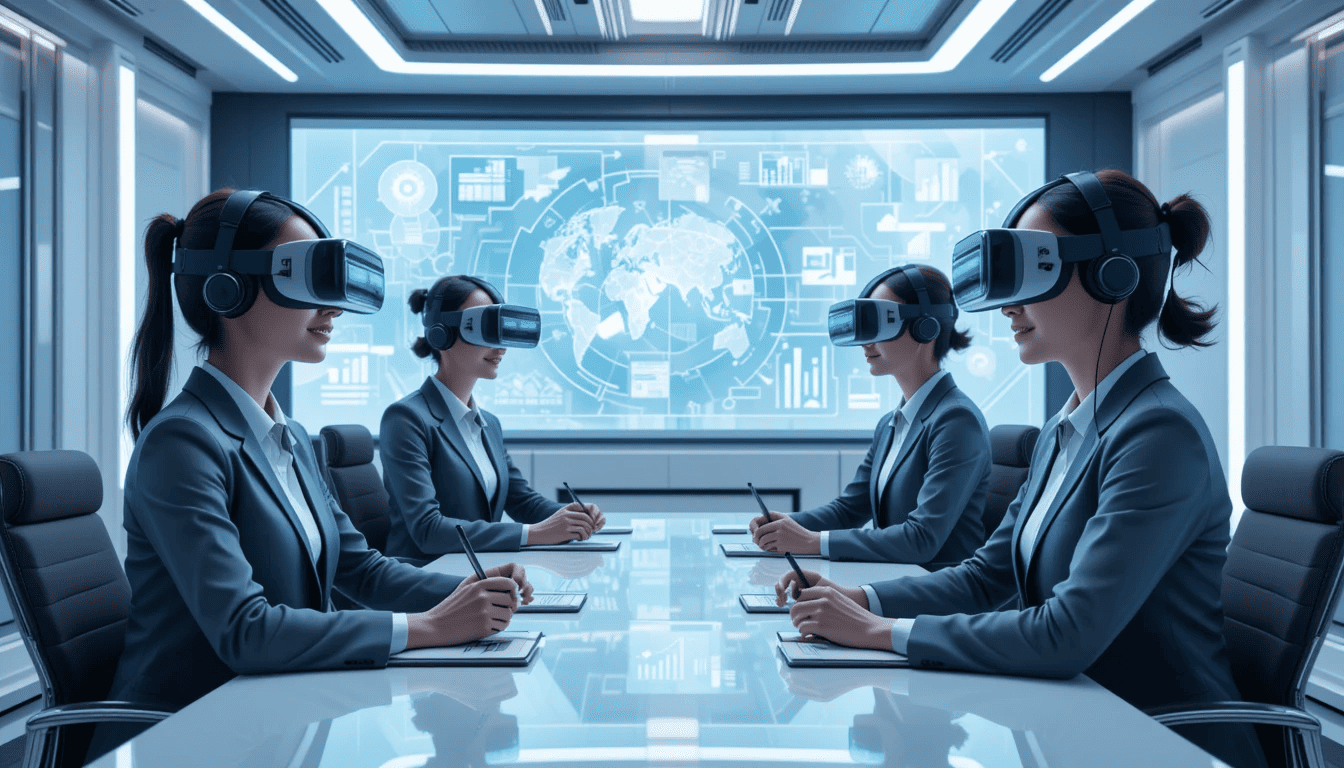
Metaverse and Web3 in Employment
The metaverse jobs market will explode with such opportunities in 2025-2030 as:
-
Event Manchester
-
R Training Specialists
-
Internet Real Estate Brokers
-
Blockchain Smart Contract Developers
Firms such as Meta, Roblox, and Microsoft Mesh are already spending billions getting ready in this next generation work environment.
💡 Conclusion
The next ten years, between 2025 and 2030 will change careers forever. Job growth will be experienced through remote work, digital-first economies, and AI fueled opportunities, but these will also require adaptability, creativity, and life-long learning.
To job seekers, automation and globalization are not things to fear but rather a time to change, upskill and be ready to be part of a digital-first economy.
The future of work is not where you work anymore but how you work, which skills you have to bring and the value you create.